Product Center

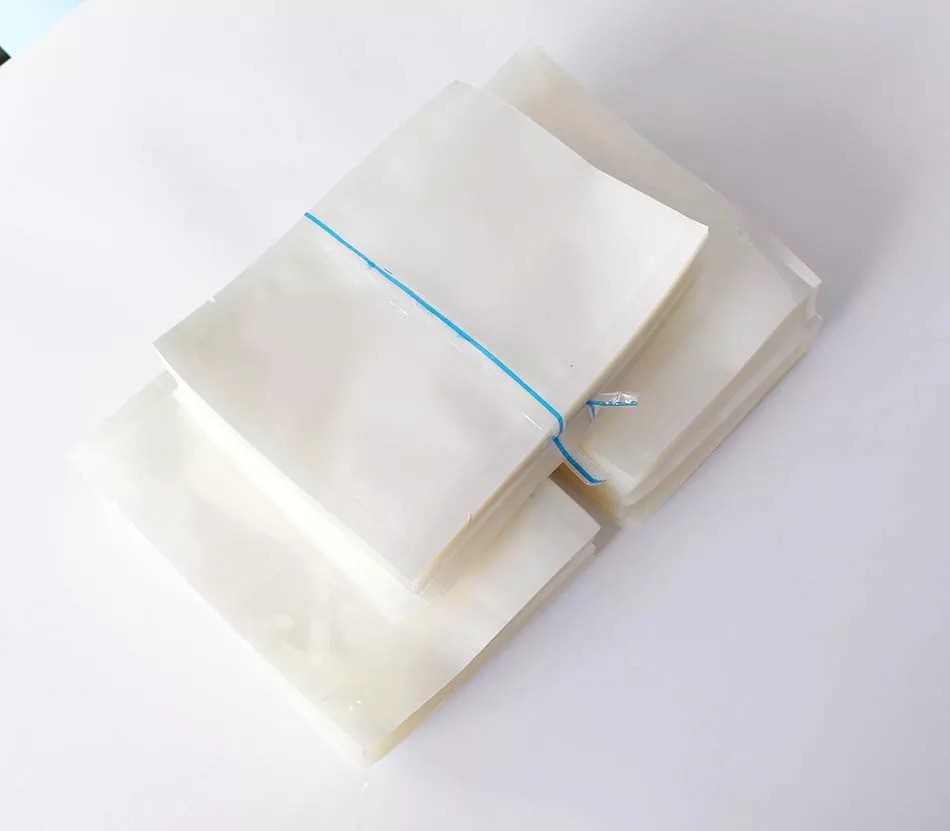
MengziSeasoning packet packaging bag
Category:
Tel: 400-888-8888
Product Description
Brief description:
Seasoning product packaging is a type of packaging material designed to contain and protect various seasonings. It is specifically engineered and manufactured to meet the packaging needs of seasoning products. Its primary functions are to ensure the quality and safety of the seasonings, facilitate storage, transportation, and use, and simultaneously convey product information.
Detailed description:
Seasoning product packaging comprises a range of containers and bags specifically designed to store, protect, and showcase various seasonings. It is meticulously engineered and manufactured to align with the physical and chemical properties of the seasonings, market demands, and consumers’ usage habits. This packaging provides effective protection and convenience throughout the entire lifecycle of seasoning products—from storage and transportation to retail and application—acting as a “protective outer layer” that safeguards quality and hygiene while delivering a user-friendly experience for consumers.
The materials used for seasoning product packaging are diverse, designed to meet the specific characteristics and storage requirements of different seasonings. The most fundamental material requirements include leak-proofness, resistance to odor transmission, and chemical corrosion resistance. Common materials include plastics, paper, and composite materials. Plastic materials such as polyethylene (PE) offer sufficient thickness and toughness to withstand the weight and pressure of seasonings, while providing excellent sealing and moisture‑proofing properties. Thanks to their superior moisture‑ and leak‑resistance, they are often used for liquid seasonings like soy sauce and vinegar. Paper materials typically undergo water‑ and oil‑repellent treatments; they are more environmentally friendly and allow for high‑quality printing of detailed product information, making them a popular choice for dry seasonings such as salt and sugar. Composite materials combine the advantages of plastics, aluminum foil, and paper, offering ideal protection for volatile or oxidation‑prone seasonings and spices, and helping to preserve their flavor more effectively.
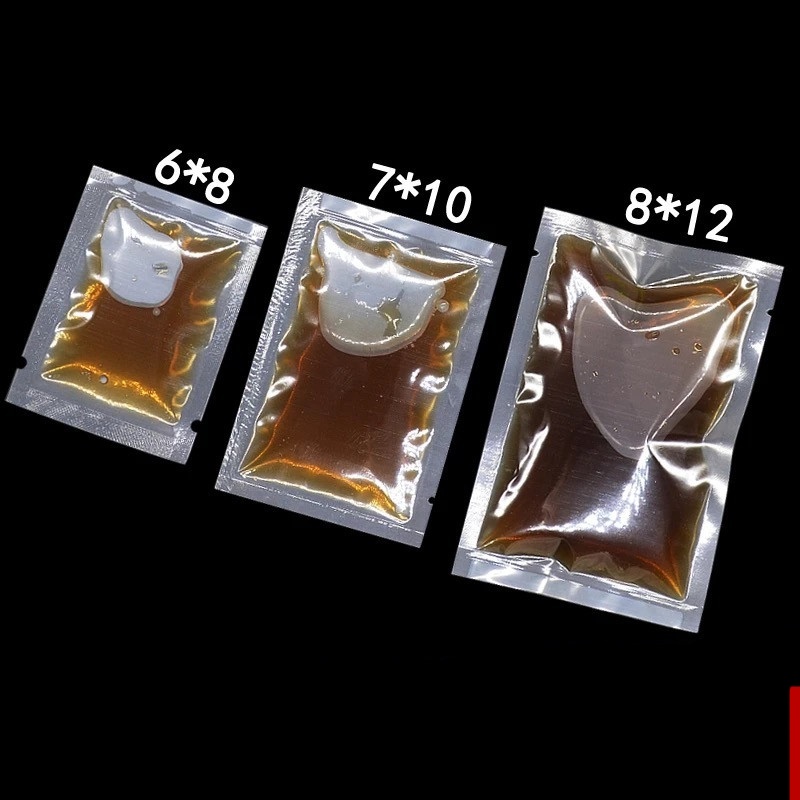
Common bag types used for seasoning packaging include three-side seal bags, stand-up pouches, zip-top bags, and spouted pouches. Three-side seal bags feature a simple structure, reliable sealing, and a clean, practical design, making them ideal for small‑size seasoning packs. Stand-up pouches can stand upright, facilitating easy placement and display, and deliver an eye‑catching shelf presence—making them well suited for medium to large‑size packages. Zip-top bags allow for repeated opening and closing, enabling consumers to dispense product as needed while maintaining a secure seal, which is particularly advantageous for seasonings with longer shelf lives. Spouted pouches enable precise control over portion sizes, making them a popular choice for liquid seasonings.
The design of seasoning product packaging takes into account both the usage scenarios and consumers’ habits. The packaging clearly labels essential information such as the product name, ingredients, shelf life, and instructions for use, while employing eye‑catching colors and distinctive graphics to draw attention. For example, a high‑quality mixed spice blend might feature multi‑layered materials to preserve its rich aroma, come in a stand‑up zip‑lock pouch, and sport printed imagery that highlights the spice’s place of origin and its unique formulation, creating a dual sensory appeal—both visual and gustatory.
The packaging and processing flow for seasoning products typically includes material selection, printing, lamination, bag-making, quality inspection, and final packaging. First, suitable materials are chosen based on the characteristics of the seasonings and customer requirements; next, printing is carried out; then, lamination is performed to enhance performance; after the bags are formed, they undergo quality testing; finally, the products are packaged and shipped.
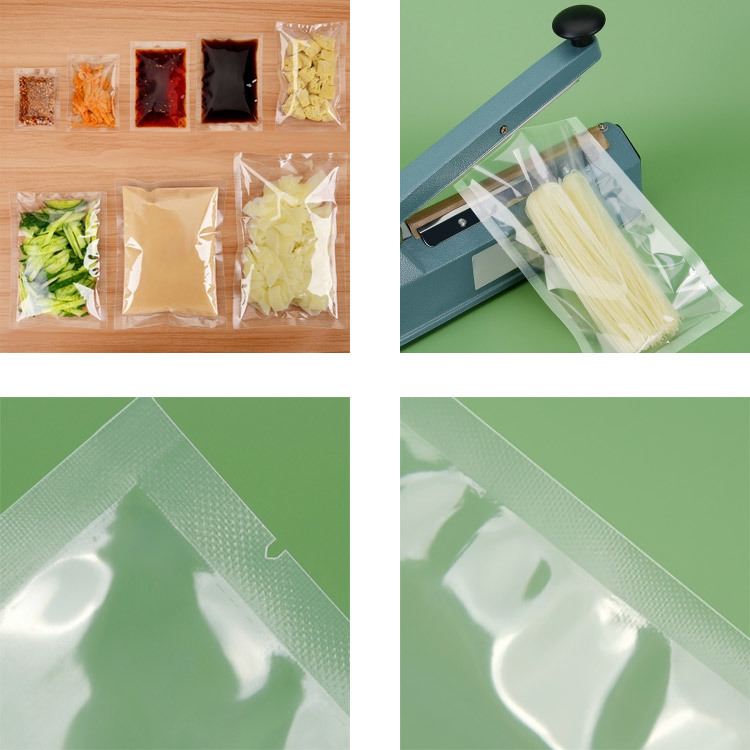
Seasoning product packaging offers numerous benefits to customers, such as effectively preserving the quality and flavor of seasonings and extending their shelf life; enhancing the product’s visual appeal and boosting market competitiveness; and making it more convenient for consumers to use and store. Seasoning packaging has a particularly broad range of applications, suitable for salt, sugar, soy sauce, vinegar, spices, sauces, and various other condiments, and is commonly found in supermarkets, kitchens, restaurants, food processing plants, and other settings.
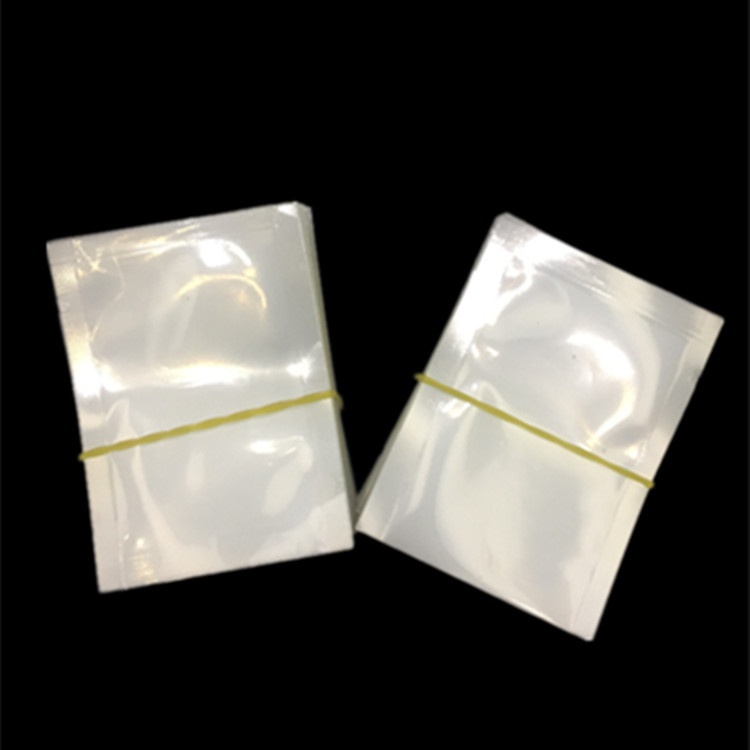
What bag types are used for seasoning product packaging?
Common packaging types for seasoning products include:
Three-side seal pouch: Three-sided sealing, compact structure, space-saving.
Stand-up pouch: With a wide base, it can stand upright on its own, offering excellent display appeal.
Zip-lock bags: Equipped with a zip closure for easy repeated opening and closing.
Spout pouch: Equipped with a spout for convenient, measured dispensing of liquid seasonings.
Packaging Features of Seasoning Products
Excellent sealing to prevent seasoning leakage and moisture absorption.
Chemical resistance, capable of withstanding the corrosive effects of seasonings.
The printing is clear, the markings are accurate, and it is easy to identify.
The material is safe and complies with food-contact material standards.
Seasoning product packaging material specifications
The thickness of plastic materials typically ranges from 0.05 mm to 0.2 mm, with a tensile strength exceeding 10 MPa.
The basis weight of paper typically ranges from 80 g/m² to 300 g/m², and its burst resistance and tear strength must meet packaging requirements.
The interlayer adhesion strength, oxygen transmission rate, and water vapor transmission rate of composite materials are determined according to specific requirements.
Seasoning Product Packaging and Processing Workflow
Material preparation: Based on the characteristics of the seasonings and customer requirements, procure appropriate raw materials such as plastic films, paper, and composite adhesives.
Plate-making: Produce printing plates based on the design, ensuring print quality and precision.
Printing: Employ techniques such as gravure printing, flexographic printing, or digital printing to produce crisp, vibrant graphics and text on packaging materials.
Lamination (if required): For composite packaging, different materials are bonded together using adhesives or heat‑pressing techniques to create a multilayer structure.
Bag Making: Using bag-making equipment, the printed and laminated material is formed into the desired bag style—such as three-side seal bags or stand-up pouches—and then subjected to heat sealing or other sealing processes.
Quality Inspection: Conduct rigorous quality testing on the packaging of finished seasoning products, including visual inspection, dimensional measurements, seal strength testing, and material performance evaluation.
Packaging: Sort, count, and package qualified products in preparation for delivery to the customer.
Our Advantages
As a manufacturer, we possess the following key advantages:
Advanced production equipment and technology: We are equipped with state-of-the-art printing, laminating, and bag-making machinery, backed by mature process expertise, enabling high-precision, high-efficiency manufacturing. Our extensive product portfolio meets the diverse packaging needs of various seasonings.
A rigorous quality control system: From raw material procurement to the shipment of finished products, we have established a comprehensive quality‑inspection process that ensures product safety and hygiene, consistent quality, and compliance with stringent quality standards for every package.
Professional R&D team: Capable of continuously developing new packaging designs and materials in response to market trends and customer needs, providing clients with innovative solutions.
Personalized Customization Services: Based on the client’s brand identity, product characteristics, and market positioning, we offer tailor-made seasoning packaging solutions to meet their unique needs.
Efficient production management and supply chain: By optimizing production processes and supply chain operations, we can ensure on-time order fulfillment, delivering timely and reliable service to our customers.
The Value of Seasoning Product Packaging
For customers, our seasoning product packaging delivers the following key benefits:
Quality Assurance: Effectively preserves the quality and flavor of seasonings, extends their shelf life, and minimizes product spoilage and waste caused by packaging issues.
Brand Building: Elegant packaging design helps elevate the brand image, enhance its market recognition and reputation, and attract more consumers.
Enhanced Market Competitiveness: Unique, eye-catching packaging can help your product stand out among numerous competitors, boosting its market share and sales performance.
Increased consumer satisfaction: Convenient, easy-to-use packaging enhances the user experience, boosts customer satisfaction and loyalty, and encourages repeat purchases.
Scope of Application for Seasoning Product Packaging
Seasoning product packaging is widely used in the following fields:
Liquid seasonings: such as soy sauce, vinegar, and cooking oil.
Dry seasonings: such as salt, sugar, pepper powder, and Sichuan pepper powder.
Sauces: such as doubanjiang, chili sauce, ketchup, and others.
Spices: such as star anise, cinnamon, and bay leaves.
Supermarkets and retail stores: Provide consumers with neatly packaged, aesthetically pleasing seasoning products.
Food processing plant: Seasoning products used for batch packaging production.
Foodservice companies: Provide bulk packaging for seasonings to restaurants, cafeterias, and other food establishments.
Inquire Now
Contact us immediately for free expert consultation services!
Quick Navigation
Contact Us
Address:
No. 33-36, Gate 1, Punan Road, Shenbei New District, Shenyang City, Liaoning Province
Tel:+86 13664115140 Haijun Zhang
Email:kevin@syzhpacking.com
Tel:+86 13358857441 Yingying Xing (Mia)
Email:mia@syzhpacking.com
Email(Haijun Zhang):kevin@syzhpacking.com
 Haijun Zhang
Tel(Haijun Zhang):+8613664115140
 WhatsApp (Mia)
Email(Mia):kevin@syzhpacking.com
Tel(Mia):+8618640522148